
Today, we invite you on a journey from the Middle Ages to the Renaissance. The castles of the Lot reflect the rich history of this remarkable part of France, offering fascinating discoveries for history enthusiasts, families and anyone with an appreciation for architectural heritage.
Over the centuries, numerous castles were built throughout the Lot, many to defend its valleys and villages. Some have retained their imposing medieval character, while others were transformed into elegant residences during the Renaissance. Today, they can be explored on guided tours, discovered along walking trails or simply admired as you travel through the countryside.
Which are the most beautiful castles to visit in the Lot? Follow our guide to discover the unmissable sites and plan your next excursions.
Why Explore the Castles of the Lot?
Between the 11th and 15th centuries, Quercy, the historic region encompassing much of what is now the Lot department, occupied a strategic position between several major powers: the County of Toulouse, the Duchy of Aquitaine and, later, the kingdoms of France and England. During the Hundred Years’ War (1337–1453), the region was repeatedly contested.
To control important routes, watch over the valleys and protect their lands, local lords built numerous fortresses. Rocky outcrops and the limestone cliffs of the Causses provided particularly favourable defensive positions.
Even today, as you travel through the department, you will occasionally catch sight of a castle rising above a valley or village. These buildings are reminders of Quercy’s turbulent past and remain an integral part of the Lot’s landscape. Spotting them along a country road or during a walk is a delightful way to begin exploring the region’s heritage.
The Must-See Castles of the Lot
From the 16th century onwards, many castles in the Lot gradually evolved as their military role became less important. Some fortresses were transformed into more comfortable residences, with larger windows, Renaissance decoration and landscaped gardens.
This evolution is reflected in the remarkable variety of castles that can be seen today, from medieval strongholds to refined Renaissance residences. Here is our selection of historic sites to visit or discover during your travels through the Lot.
Château de Castelnau-Bretenoux
With its imposing red sandstone walls, Château de Castelnau-Bretenoux is impossible to overlook. One of Quercy’s most significant medieval fortresses, it was built from the 13th century onwards and altered over successive generations. It commands sweeping views across the Dordogne Valley.
Its ramparts, towers and inner courtyard offer a fascinating introduction to medieval defensive architecture. The château also houses collections of furniture and works of art assembled by Jean Mouliérat, who played an important role in its restoration in the early 20th century.
Visiting information: Allow approximately 1½ to 2 hours. Opening times and access arrangements vary according to the season.
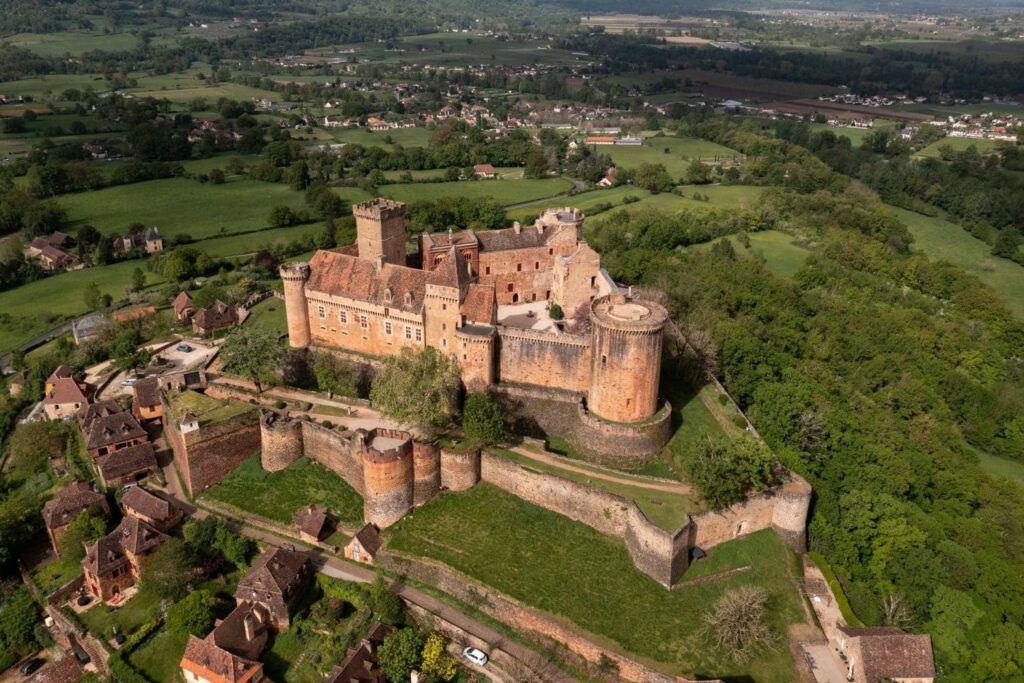
Château de Castelnau-Bretenoux and its imposing medieval fortifications. © Cyril Novello – Lot Tourisme
Château de Cénevières
Perched high above the Lot Valley, Château de Cénevières combines the remains of a medieval fortress with elegant Renaissance additions. Its elevated setting offers beautiful views over the river valley and surrounding countryside.
Inside, visitors can discover richly decorated rooms, paintings and the story of François de Gourdon, who took part in the Italian Wars. The alterations made during this period left a lasting impression on the château’s architecture and interiors.
A visit can also form part of a day spent exploring the Lot Valley.
Visiting information: Guided tours last approximately one hour and are generally available from spring to autumn, subject to the opening calendar.
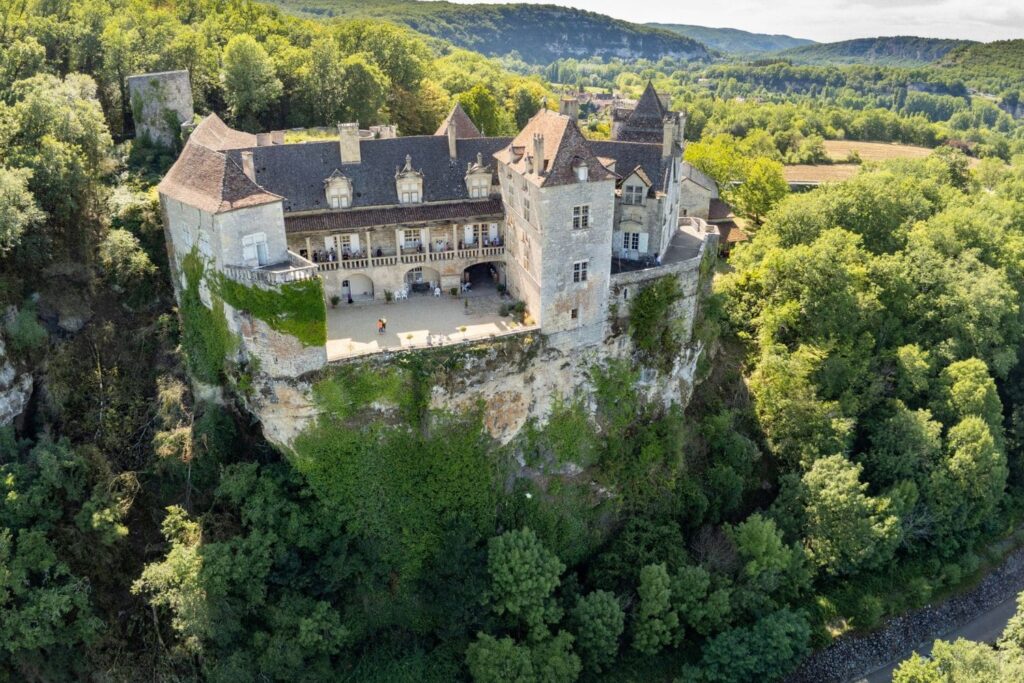
Château de Cénevières, a former fortress transformed during the Renaissance, overlooking the Lot Valley. © Cyril Novello
Château de Montal
Located in Saint-Jean-Lespinasse, Château de Montal is one of the finest examples of Renaissance architecture in the Lot. Built in the 16th century at the initiative of Jeanne de Balsac, it is distinguished by its sculpted façades, galleries and beautifully considered decorative details.
A visit reveals the sculptures and portraits adorning the château, as well as the story of Jeanne de Balsac and the family events that shaped its construction. It is a particularly rewarding stop for anyone interested in Renaissance art and architecture.
Visiting information: Self-guided or guided visits are available depending on the season. Allow approximately 1 to 1½ hours.
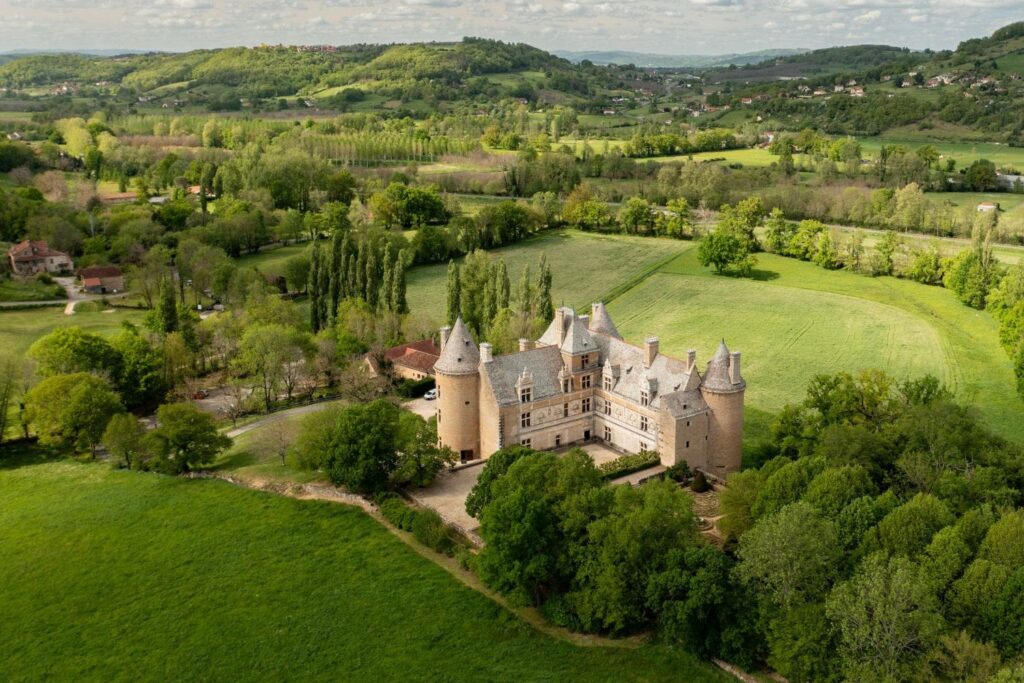
Château de Montal, an outstanding example of Renaissance architecture in Quercy. © Cyril Novello – Lot Tourisme
Château de Bonaguil, Just Beyond the Lot
Situated a few kilometres beyond the Lot, in the neighbouring Lot-et-Garonne department, Château de Bonaguil is one of the most impressive fortresses in south-west France. Built and extended over several centuries, it boasts a remarkable system of fortifications, including towers, ramparts, moats and an imposing keep.
Visitors can explore the château’s different levels and gain an insight into the defensive techniques developed towards the end of the Middle Ages. With an elevation difference of more than 70 metres between the moats and the highest parts of the fortress, the site also offers striking views of the surrounding countryside.
Visiting information: Self-guided and guided visits are available at certain times of year. Allow approximately two hours.
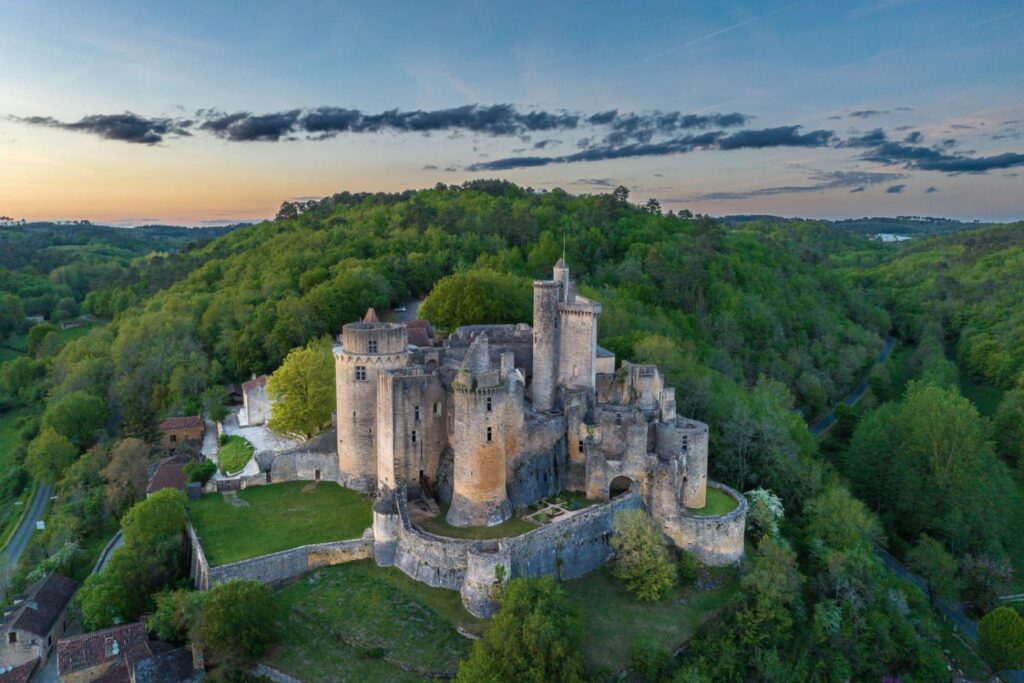
Château de Bonaguil, an impressive medieval fortress just beyond the Lot. © Cédric Zacchia – Atelier DUHO
The Towers of Saint-Laurent and the Jean Lurçat Studio Museum
On the hills above Saint-Céré, the medieval towers of Saint-Laurent-les-Tours are home to an unusual cultural destination: the Jean Lurçat Studio Museum. The painter and tapestry artist established his home and workplace here, and visitors can now discover the setting in which he lived and created.
Moving through the rooms, you can explore his studio, admire his works and see the decorations he painted directly onto the walls and ceilings. The visit brings together the history of a medieval castle and the artistic world of one of the 20th century’s leading French artists.
Visiting information: Allow approximately two hours to explore the museum. Opening is seasonal, with specific arrangements for groups.
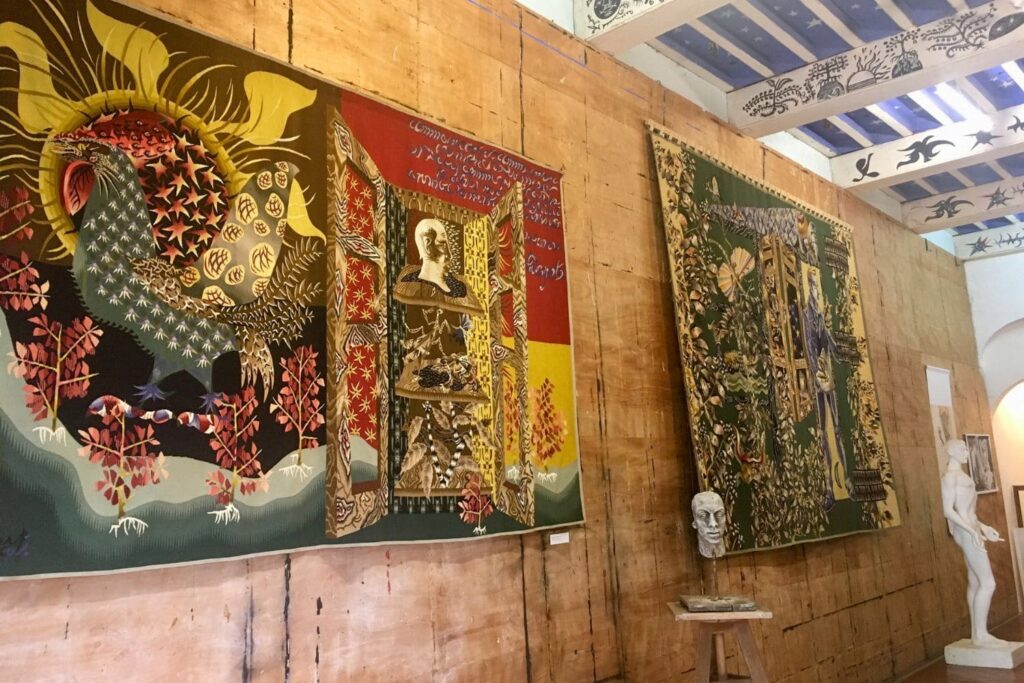
The Jean Lurçat Studio Museum in the towers of Saint-Laurent. © C. Asquié – Lot Tourisme
Château de Lacapelle-Marival
In the heart of Lacapelle-Marival, the château stands out for its substantial towers and architecture dating back to the late Middle Ages. Built from the 15th century onwards by the Cardaillac family, it underwent several alterations that reflect its changing role over the centuries.
Some of its rooms retain historic decorative features, while the wall walk offers a different perspective over the village and surrounding area. The château also hosts exhibitions and cultural events at certain times of year.
Visiting information: Guided tours are offered on selected dates, particularly during exhibitions and heritage events. The château can also be admired from the village throughout the year.
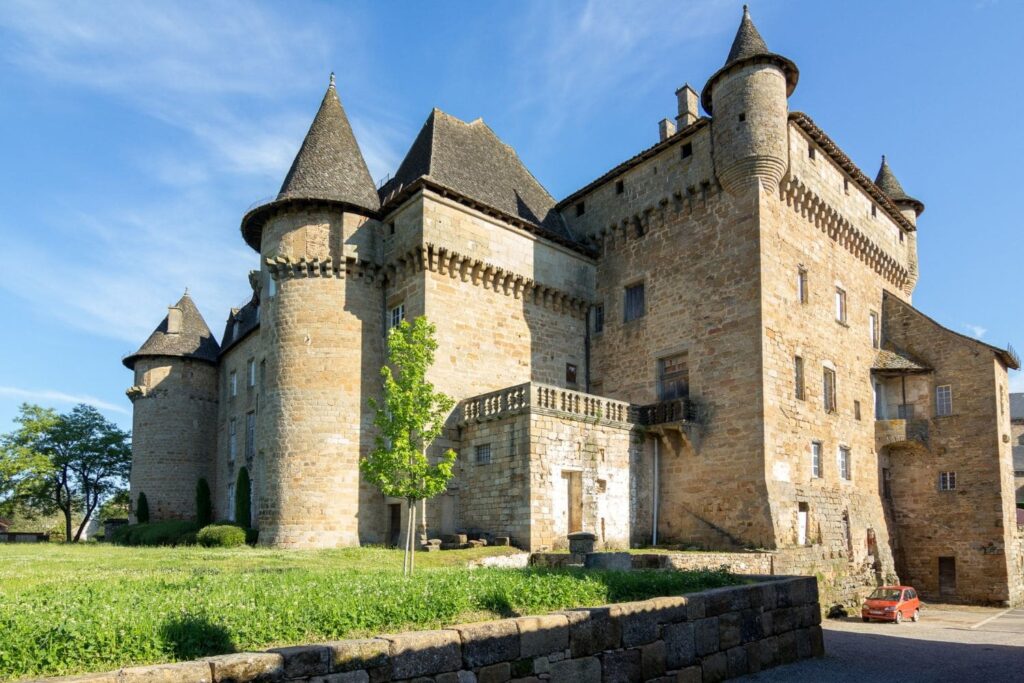
Château de Lacapelle-Marival, with its imposing towers in the heart of the village. © C. Novello – Lot Tourisme
Château d’Assier
Built in the 16th century by Galiot de Genouillac, Grand Master of Artillery to King Francis I, Château d’Assier is an outstanding example of Renaissance architecture in Quercy.
Although part of the château has been lost, the surviving buildings still reveal the richness of its decoration. Its long sculpted frieze, depicting among other subjects the military achievements of Galiot de Genouillac, is one of the highlights of a visit. It also reflects the influential position its owner held at the royal court.
Visiting information: Self-guided or guided visits are available depending on the season. Allow approximately one hour.
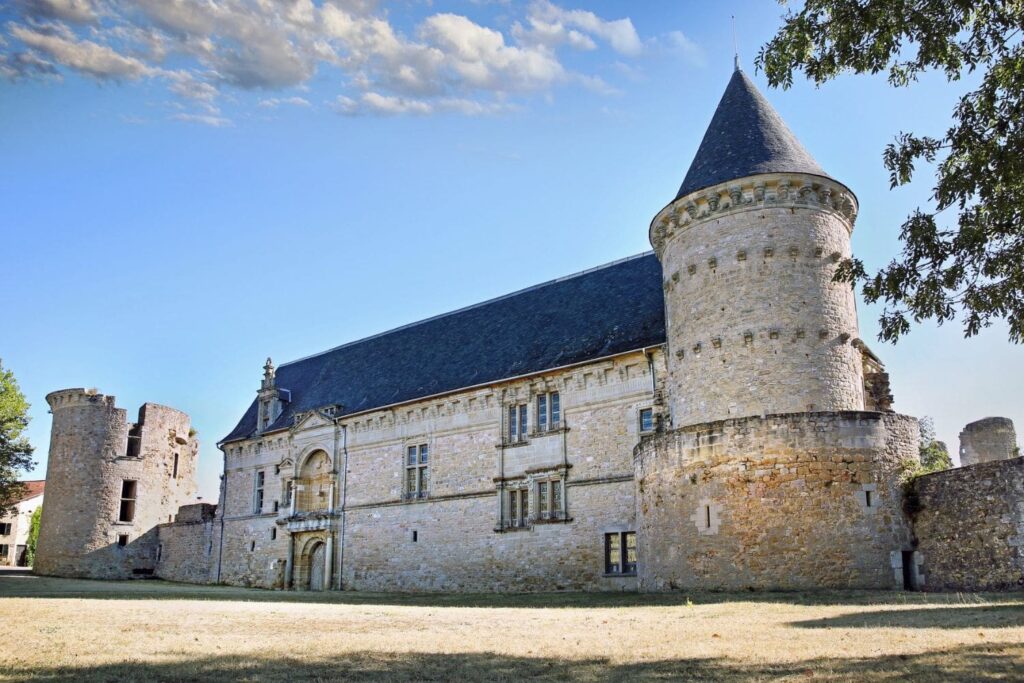
Château d’Assier, a testament to the flourishing of Renaissance architecture in Quercy. © Jérôme Morel – Office de tourisme du Grand-Figeac
Château des Anglais in Autoire
Clinging to a cliff above Autoire, one of the most beautiful villages in the Lot and a member of the Les Plus Beaux Villages de France association, Château des Anglais is an ancient fortified refuge built into the rock. Also known as La Roque d’Autoire, it illustrates how local inhabitants used the natural landscape for protection during periods of conflict.
The site is reached on foot along a trail that also offers beautiful views of the Cirque d’Autoire and the surrounding area, including its celebrated waterfall. Unlike the other castles in this selection, it does not have an interior open to visitors.
Access: On foot only, via a trail with steep sections and steps. Suitable walking shoes are recommended.
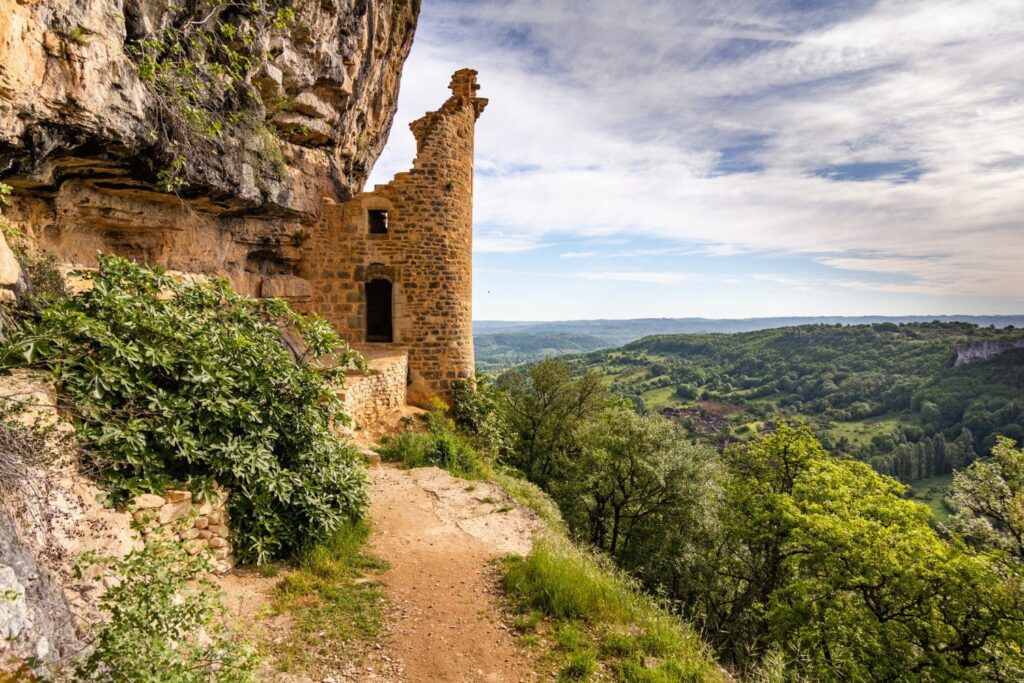
Château des Anglais in Autoire, a fortified refuge built into the cliff face. © C. Novello – Lot Tourisme
The Most Beautiful Castles Near Cahors
Several castles around Cahors offer an opportunity to discover different aspects of the Lot’s architectural heritage without travelling across the entire department. From former bishops’ residences and noble houses to medieval ruins, here are three places to explore on excursions in the surrounding countryside.
You can also make the most of your stay by exploring Cahors and its must-see attractions.
Château de Mercuès
Around ten minutes from Cahors, Château de Mercuès is a former residence of the Bishops of Cahors, built on a promontory overlooking the Lot Valley. From the château, the views stretch across the surrounding hillsides and vineyards.
Now a luxury hotel, it is also home to a gastronomic restaurant and a wine estate. Tours of the estate and winery, accompanied by tastings of Cahors wines, offer another way to discover this exceptional setting.
Visiting information: Tours and wine tastings are available by reservation. As the château operates as a hotel, access to its different areas depends on the experiences booked.
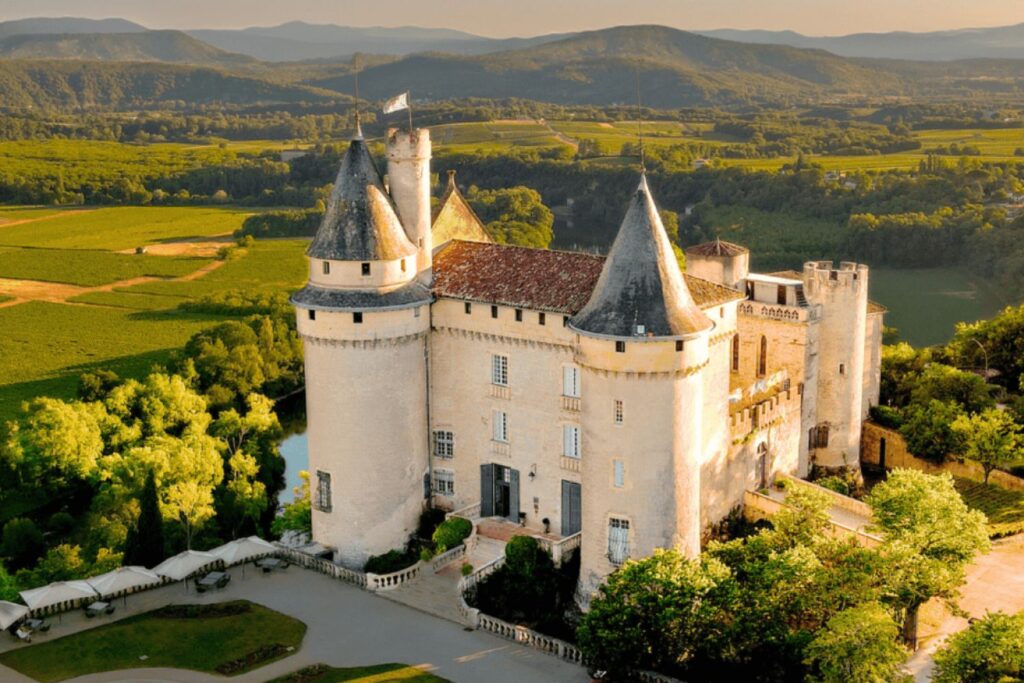
Château de Mercuès, overlooking the vineyards of the Cahors wine region. © Mika Boudot
Château de Couanac
Around 30 kilometres from Cahors, on the Causse de Limogne limestone plateau, Château de Couanac is a historic noble residence with origins dating back to the Middle Ages. Built and altered between the 12th and 16th centuries, it retains defensive features, towers and a chapel housed within a former Romanesque church.
Its architecture and the changes made by successive owners offer an insight into several centuries of history. The estate also has a traditional farm inn, where visitors can enjoy local produce and specialities from Quercy.
Visiting information: Guided tours are traditionally offered from May to October. It is advisable to confirm opening dates and dining arrangements before travelling.
Château de Roussillon
In Saint-Pierre-Lafeuille, around ten kilometres from Cahors, Château de Roussillon occupies a rocky outcrop overlooking the surrounding valleys. This former medieval fortress retains sections of its walls, several towers and a distinctive pentagonal keep dating from the 13th century.
Largely rebuilt after the Hundred Years’ War, the château underwent several alterations before gradually falling into disuse. Its surviving structures still give a sense of how this former stronghold was organised. To extend your visit, a waymarked walking route takes you through the countryside around Saint-Pierre-Lafeuille.
Visiting information: The château now hosts accommodation and private events. There is no regular tourist visiting route, so please enquire about access before travelling.
A Two-Day Castle Itinerary from Cahors
Staying in Cahors makes it easy to discover these castles over two days without spending too much time on the road.
Day one: Mercuès and Cénevières. Begin at Château de Mercuès, just outside Cahors, before continuing to Cénevières to admire its architecture and enjoy the landscapes of the Lot Valley. Depending on tour times, you may wish to stop for lunch along the way.
Day two: Couanac and the Causse de Limogne. Set aside another day for Château de Couanac and the surrounding limestone plateau. This excursion is also an opportunity to explore nearby villages and enjoy a countryside walk.
Before setting off, remember to check opening days and booking requirements, particularly for guided tours.
Our Tips for Visiting the Castles of the Lot
April to October is a particularly pleasant time to explore the castles of the Lot. In spring and autumn, temperatures are generally mild, and the landscapes of the Lot, Célé and Dordogne valleys are ideal for day trips. Summer, meanwhile, offers a wider choice of tours and special events.
In July and August, several castles organise family-friendly activities, including costumed tours, performances and workshops for children. Château de Cénevières, for example, offers occasional activities designed especially for younger visitors.
Before setting out, check opening times and access conditions on each monument’s official website. Some castles can only be visited with a guide, while others open on selected dates or require advance booking. Comfortable walking shoes are also advisable for fortresses with staircases or steep passages.
If you would like to explore more of the region on foot, discover our selection of the best walks and hikes in the Lot.
Where to Stay When Exploring the Castles of the Lot
A stay of three to five days is an excellent way to discover several of the Lot’s historic castles at a relaxed pace. By choosing accommodation near Cahors, you can plan excursions to the Lot Valley, the Causses limestone plateaux and, a little further north, the Dordogne Valley, all without changing your base.
Between castle visits, take time to explore medieval villages, follow scenic walking trails or sample the wines of Cahors. The Lot’s heritage is also revealed through these quieter moments, when you stop in a village or simply enjoy the surrounding landscape.
Just a few kilometres from Cahors, Domaine de Labarthe welcomes guests to a family home set within extensive, tree-filled grounds. Its elegant guest rooms and charming self-catering cottages provide a peaceful base for a longer stay, with a swimming pool in which to unwind after a day of exploring. An inviting place from which to discover the castles of the Lot at your own pace.
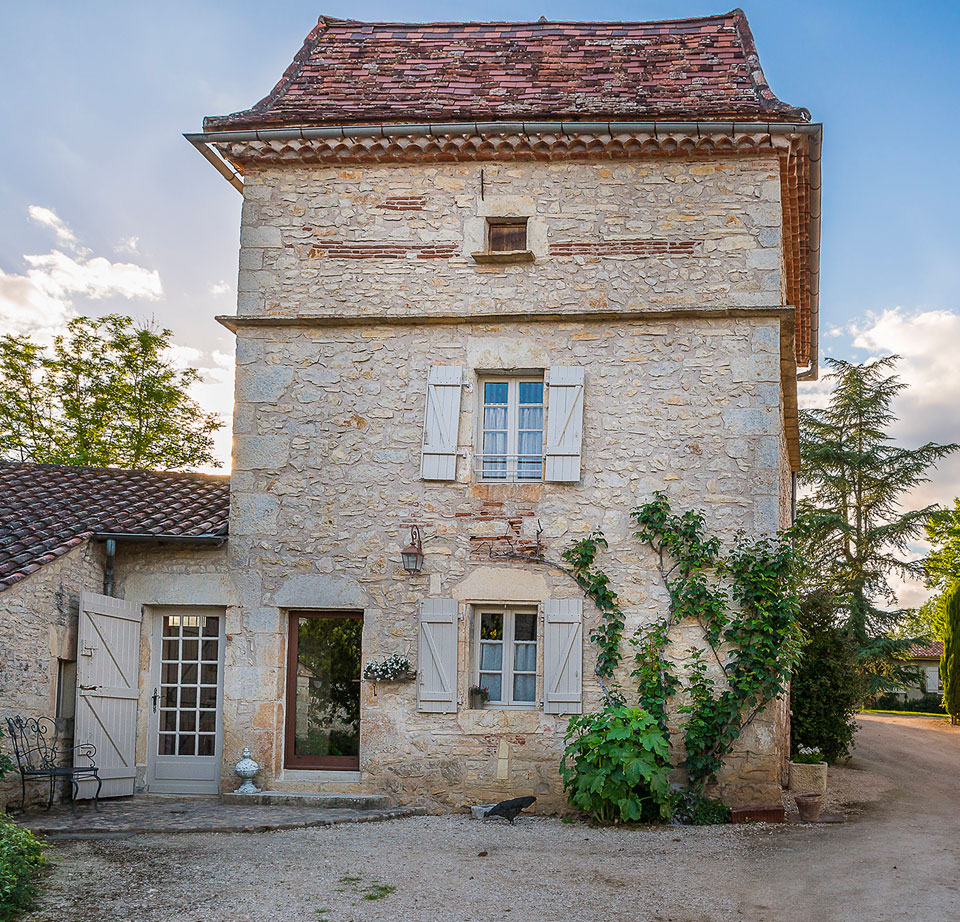
The Pigeonnier Suite, a charming stone-built holiday cottage at Domaine de Labarthe.
From grand fortresses to lesser-known châteaux, every visit brings something new to discover. Behind the ramparts, towers and centuries-old stonework lie the stories of families, noblemen and remarkable figures who helped shape Quercy through the ages.
And while the Lot’s most beautiful castles are certainly worth seeking out, some of their most intriguing details reveal themselves unexpectedly, during a walk through a village or along a quiet country lane. All the more reason to stay curious and take the time to look around.